Article

How to Improve Tornado Season Emergency Alerting and Reduce Alert Fatigue

2 min read
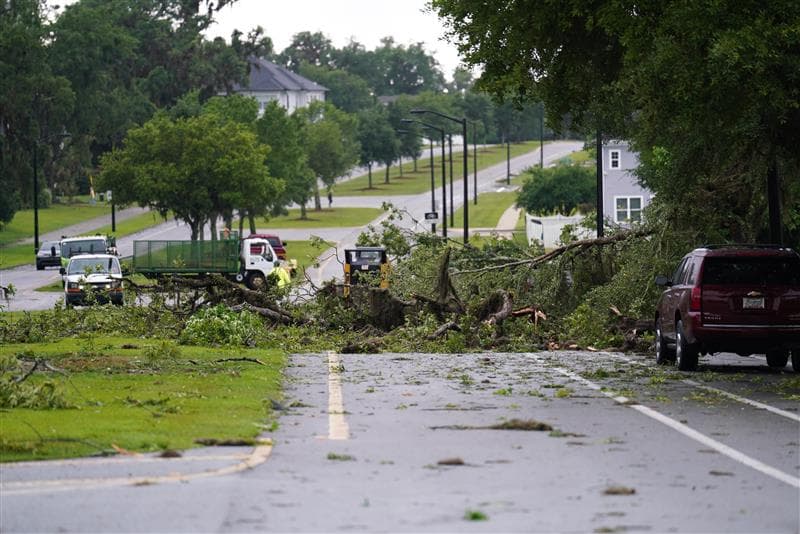

How to Improve Tornado Season Emergency Alerting

Tornado season brings heightened risk — and heightened communication demands. Watches, warnings, radar updates, and changing storm paths can generate a surge of emergency notifications in a short period of time. While timely alerts are critical to public safety, highly repetitive or overly broad messages can lead to alert fatigue. 

When residents begin to tune out alerts or disable notifications, response times slow, and lives are potentially put at stake.  

Establish Clear Alert Triggers

Consistency is one of the strongest defenses against alert fatigue. Before severe weather peaks, agencies should define clear criteria for when notifications are issued — whether for tornado watches, warnings, confirmed sightings, or all-clear updates. 

Using standardized templates ensures each message includes the: 

  • Specific threat 

  • Affected geographic area 

  • Timeframe 

  • Protective action steps 

When alerts follow this predictable structure, recipients can quickly understand the message and level of urgency. 

Clearly Differentiate Watches and Warnings

One of the most common sources of fatigue during tornado season is the perceived similarity between different alert types. 

A tornado watch should emphasize preparation and awareness. A tornado warning should communicate the need to take immediate lifesaving action. The tone and call-to-action language must visibly shift between the two. 

Prioritize Geographic Precision

Broad alerts sent to entire counties or regions — when only a portion of the population is affected — can erode attention and long-term responsiveness.

Modern geo-targeting tools allow alerts to follow storm polygons and evolving radar tracks. When residents consistently receive notifications that directly apply to their location, trust increases. Over time, precision strengthens recipient engagement and reduces alert fatigue. 

Be Strategic with Messaging for Every Delivery Channel

Multi-channel delivery increases reach, and each channel deserves a message crafted to match how people receive and process it. A voice call communicates differently than a push notification or social media post — and the message should reflect that. 

A voice call should sound natural when spoken aloud, with clear and simple language that can be understood in a single listen. A push notification demands brevity and immediate clarity, where an email can support more detail or context. 

Matching the message design to the modality ensures that every audience, across every channel, receives the important information in the most effective way possible. 

Send Updates Only When Information Changes

Repeated alerts that restate unchanged information are one of the primary drivers of fatigue. 

Follow-up notifications should clearly identify what has changed — expanded impact zones, extended timeframes, confirmed sightings, or cancellation of a warning. When updates provide new value, recipients remain attentive. 

Educate Before the Storm

Educating your community can significantly reduce frustration during active tornado periods. Explaining how the system will work, how their local agency will use it, why some areas receive notifications while others do not, and what to do when you receive one builds confidence in the emergency notification system. When people understand what to expect, they are more likely to remain engaged.

Tornado season compresses decision timelines and increases reliance on emergency alerts. Reducing alert fatigue is about protecting the credibility of those notifications so that when a warning is issued, it commands attention and encourages action when necessary.

Thoughtful timing, geographic precision, clear differentiation, and coordinated communication ensure that critical alerts are not just delivered but understood and acted upon when it matters most. 

Learn more about how to use an emergency notification system like CodeRED by Crisis24 during severe weather to keep people safe and informed.