Article
Keep Residents Safe During Hurricane Season: Practical Checklist and Emergency Alert Templates
15 MAY 2026
/
3 min read
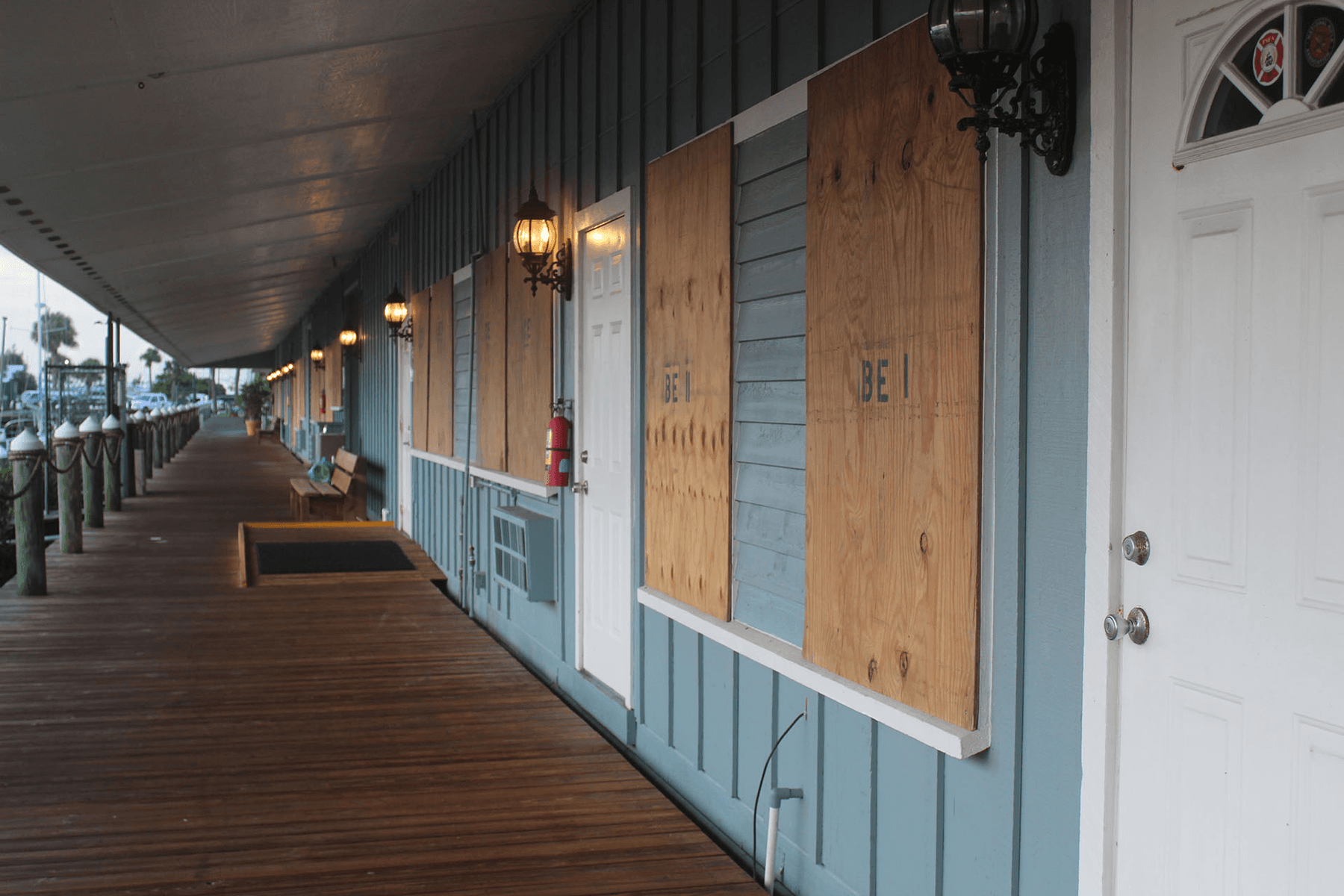
The 2026 Atlantic hurricane season runs June 1 through Nov. 30, but long before any storm makes landfall, plans need to be in place and ready to be activated — especially when it comes to sending emergency alerts.
To better protect your community during hurricanes and other severe weather, consider how you can prepare today. This includes evaluating your strategies for sending emergency alerts. One of the most important proactive steps is to have message templates for each step of a weather event prepared and on hand.
When a hurricane is identified, your alerts can be sent quickly and easily to the right audience.
Before the Storm
Pre-storm warnings are critical to the safety and security of your team and community. The following are SMS and email template messages that you can customize and input into your emergency alerting system proactively, before a hurricane makes landfall:
SMS
[AGENCY NAME] Alert: A hurricane has been forecasted to impact [CITY, STATE] on [FORECASTED DATES OF STORM]. Stay alert to emergency messages regarding evacuations, closures, and relevant instructions.
[AGENCY NAME] Alert: HURRICANE WARNING for [LOCATION] on [DATE] [TIME]. Remain indoors or seek shelter immediately! Press 1 to confirm receipt.
Subject: Hurricane approaching!
This is a message from [AGENCY NAME]. A hurricane has been forecasted to impact [LOCATION DETAILS] on [FORECASTED DATES OF STORMS] in the path of Hurricane [STORM NAME]. Stay alert to emergency messages regarding evacuations, closures, and relevant instructions.
The goal at this point is not to incite panic, but to provide outreach and important information for residents in potentially affected areas.
During the Storm
Emergency alerts during a hurricane should focus on safety and preservation of life: where to shelter, whether to evacuate, and how to avoid storm surge, flash flooding or impassable roads. They should give clear, location-specific, time-sensitive instructions.
Message templates that can be useful during a hurricane include the following:
SMS
[AGENCY NAME] Alert: For the latest updates on the impact of Hurricane [STORM NAME], visit [LINK TO WEBSITE] and stay tuned to news outlets.
[AGENCY NAME] Alert: [NAME OF LOCATION] will remain closed until [DATE, TIME] due to the damage caused by [NAME OF HURRICANE]. Please follow local weather safety alerts.
Subject: Hurricane [STORM NAME]!
This is a message from [AGENCY NAME]. Due to Hurricane [STORM NAME], residents in your neighborhood are being asked to shelter-in-place and take self-protective actions. Please implement shelter-in-place actions immediately. For information, ongoing updates, or help with post-incident and recovery issues, please tune to local radio and television stations, log on to [WEBSITE], or text/call [PHONE NUMBER].
After the Storm Passes
The real challenge often begins in the recovery process. Your main goal is to help residents resume normal operations as quickly and safely as possible. Implement message templates such as the following to use after the storm passes:
Lifting of Restrictions:
SMS
[AGENCY NAME] Alert: The previous emergency Shelter In Place order for your neighborhood has been lifted. Stay safe.
[AGENCY NAME] Update: The previous emergency Shelter In Place order for your neighborhood has been lifted. Emergency crews have contained the [EVENT] in the area. Conditions are now safe, and you may leave your homes and businesses and resume normal activities. This message is being sent on [DATE] at [TIME]. If you truly have an emergency situation, call 9-1-1 immediately.
Notification of Cleanup/Repair/Response:
SMS
[AGENCY NAME] Alert: We are mobilizing a cleaning crew for [EVENT] on [DATE]. We’ll see everyone on clean-up day. Stay safe.
Subject: Cleanup/Repair/Response/Maintenance Crew Notification
[AGENCY NAME] Update: We are mobilizing a cleaning crew for [EVENT] on [DATE]. We expect to reach everyone on clean-up day. If you’re in need of assistance after [EVENT], please call [CONTACT] for repairs and other assistance.
Best Practice Checklist for Hurricane Alerting
Strengthening your hurricane season message templates is an effective and important way to help keep residents safe and informed.
Keep the following checklist in mind when creating templates:
Be clear, concise, and timely.
Adhere to character count limits, especially for SMS messages.
Make your instructions specific, especially if you need recipients to take a certain action.
Include important details like times and dates.
Send alerts to multiple device types (SMS, email).
Include ways to get more information.
Help recipients understand how they will receive updates:
Will you be sending them?
Will you let them know when the weather event is resolved or over?
Send “all clears.” This is a must, especially in weather safety emergencies.
Learn more about how to use an emergency alerting system like CodeRED by Crisis24 during a severe weather event.
Related
Resources
Field-Tested
Insights
With more than 10,000 communities across the US using CodeRED every day, we've collected lessons learned, best practices, and practical information to help you keep people safe and informed.

Case Study
Wexford County: Advancing Critical Communications for a Safer Community
Wexford County, Michigan, is home to 34,000 residents and a summer travel destination for many visitors.

Case Study
Benton County, Tennessee: Building Community Resilience with CodeRED by Crisis24
Benton County, Tennessee, is a small rural community of 16,000 located directly between Memphis and Nashville.

eBook
Emergency Notification 101 for State and Local Agency Leaders
Learn how emergency notification technology can help state and local agencies quickly inform staff, residents, and businesses during crises.

Case Study
Scioto County: Modernizes Emergency Notification with CodeRED by Crisis24
Ohio’s rural Scioto County is home to nearly 80,000 people.


